
Commercial commercial doors — supply only
11 designs in the commercial configuration, made to your sizes and delivered in about a week.
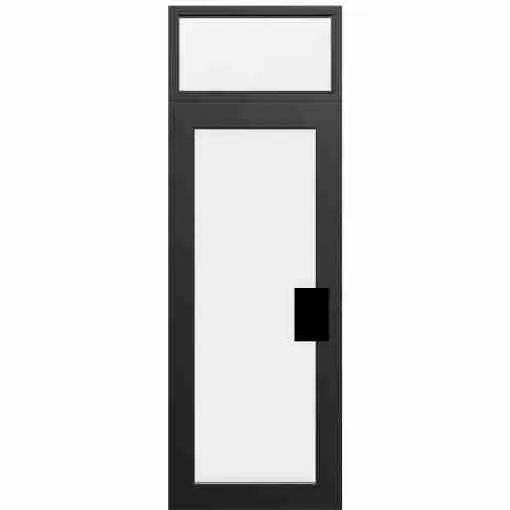
Commercial — what it is
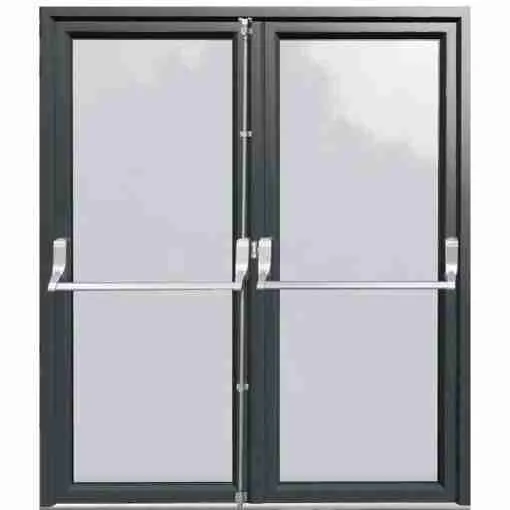
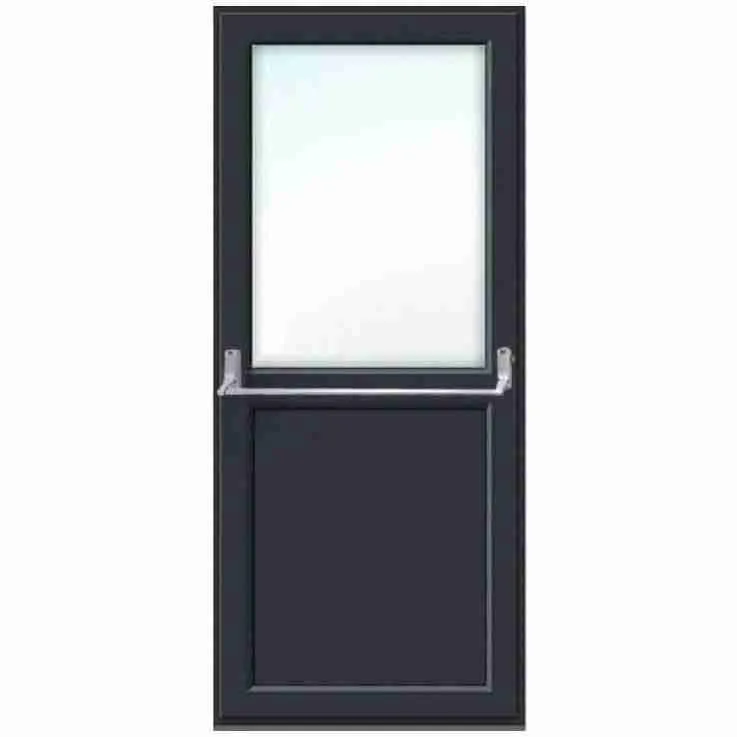
These take the heavier furniture you would expect on a shop or office entrance — pull handles, panic hardware where the fire strategy requires it, and overhead or floor-spring closers. If the door is on an escape route, the ironmongery is dictated by the fire risk assessment, not by preference.This page shows only the commercial designs. If you want to compare across the whole range, go back to all commercial doors.
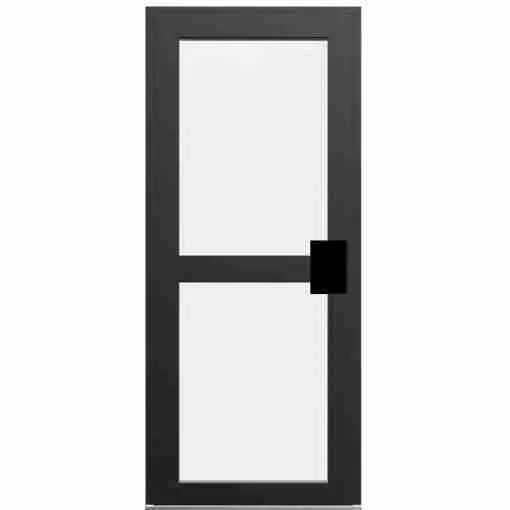
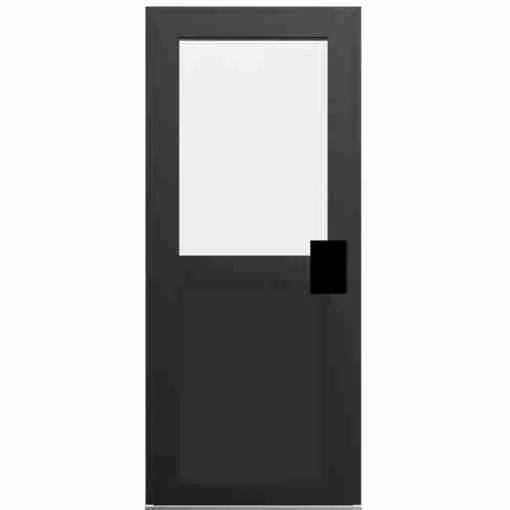
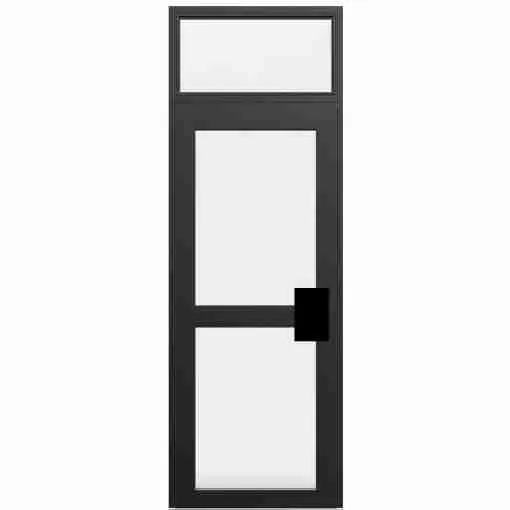
Every design we hold
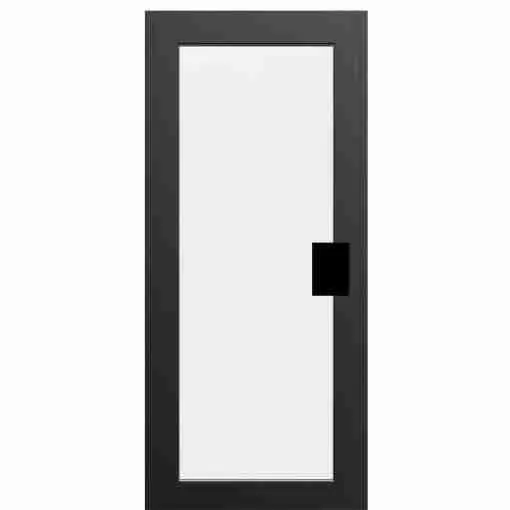
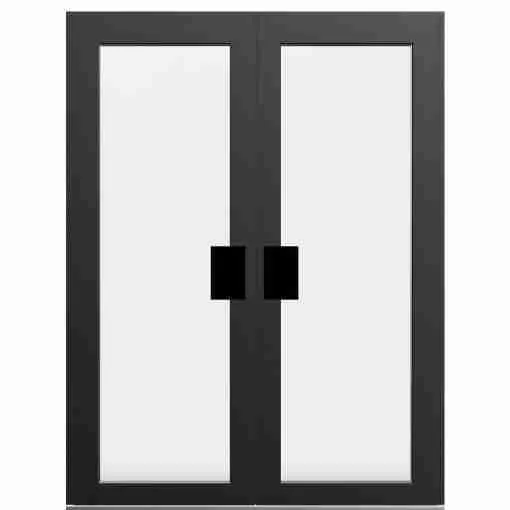
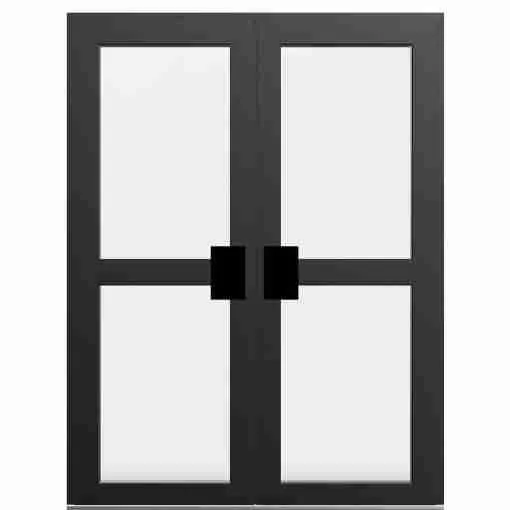
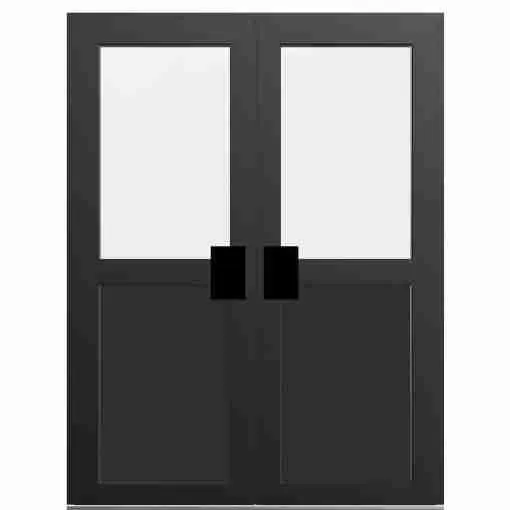
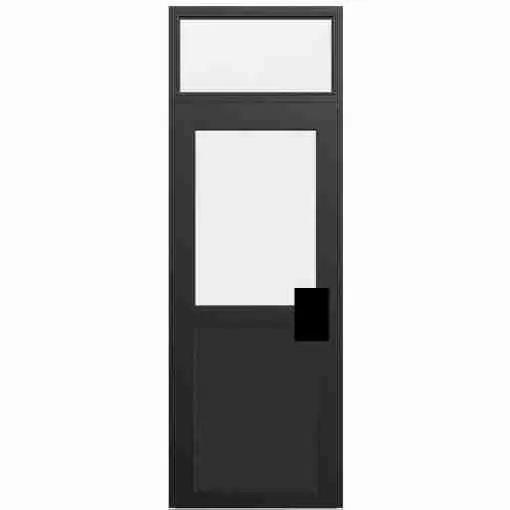
11 designs. Quote the code when you enquire — it saves a conversation.
Specification
| Material | Thermally broken aluminium |
|---|---|
| Duty | Heavy traffic, commercial cycle rating |
| Closers | Overhead or floor spring |
| Hardware | Pull handles, push bars, panic hardware |
| Access | Part M compliant thresholds and opening forces available |
| Glazing | Toughened or laminated to your fire and safety strategy |
Questions
Do commercial doors need panic hardware?
It depends on the fire strategy and occupancy, not on the door. If it is a final exit on an escape route serving the public, almost certainly. Take that requirement from your fire risk assessment and give it to us at order.
Can I get a door that meets Part M?
Yes. That means a level threshold, a clear opening width, and an opening force low enough for a wheelchair user — which usually means a floor spring or a power operator rather than a stiff overhead closer.
What is a floor spring?
A closer set into the floor rather than mounted on top of the door. It is invisible, it handles heavier leaves, and it is the standard answer on a glass shopfront entrance. It has to be built into the slab, so decide before the floor goes down.