
Aluminium · supply only
Aluminium windows — supply only, delivered in about a week
Aluminium windows, supplied only, delivered in about a week.
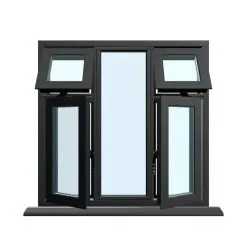
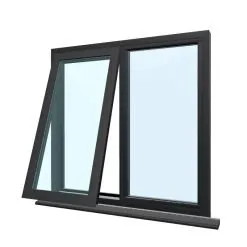
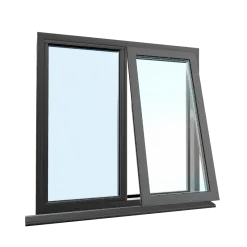
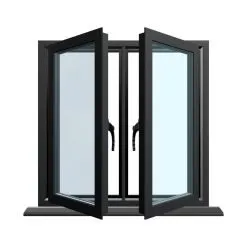
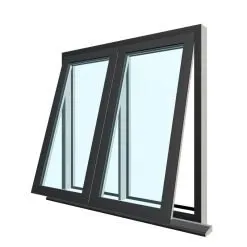
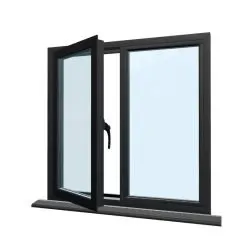
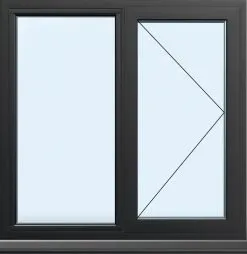
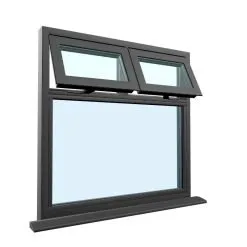
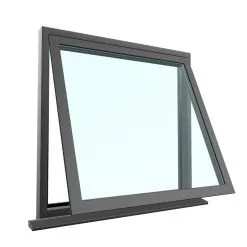
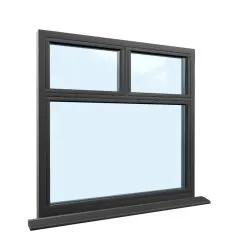
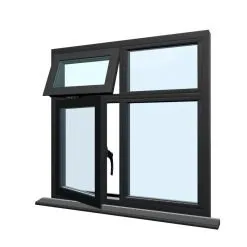
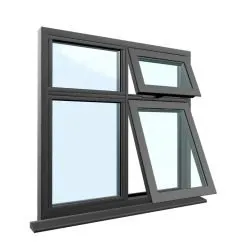
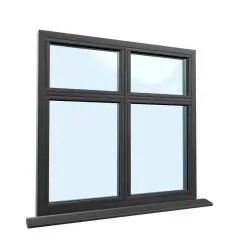
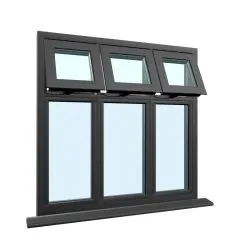
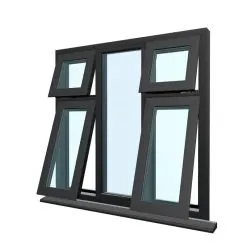
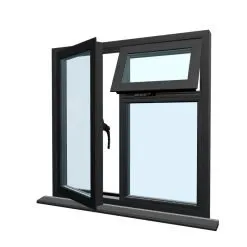
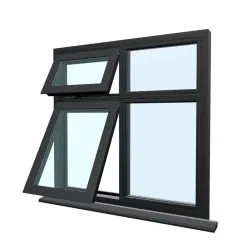
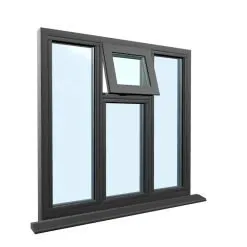
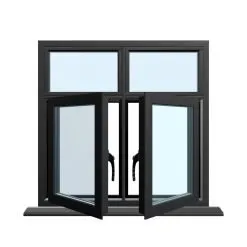
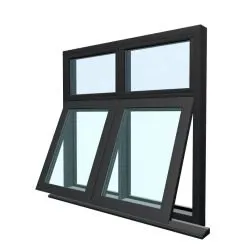
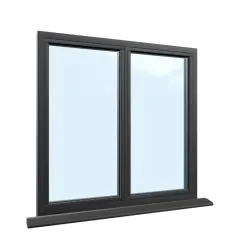
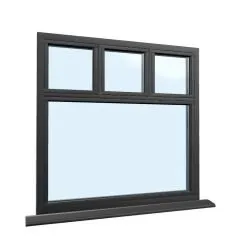
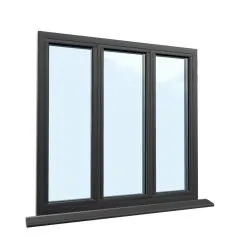
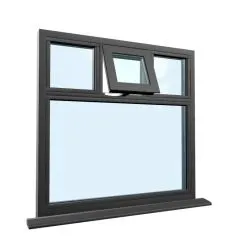
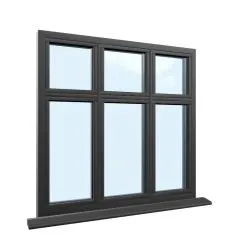
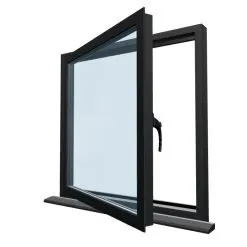
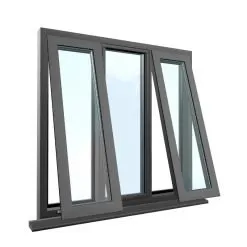
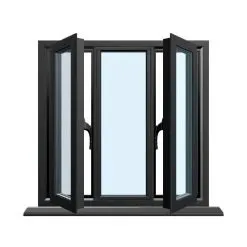
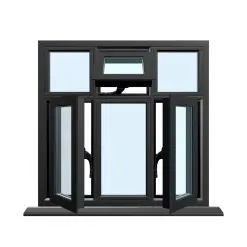
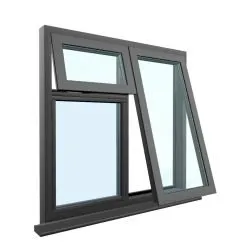
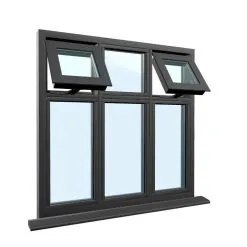
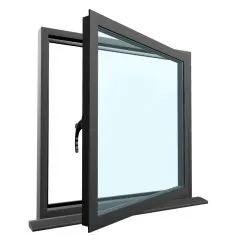
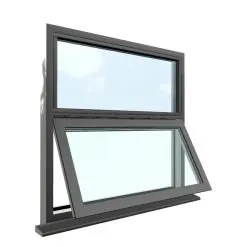
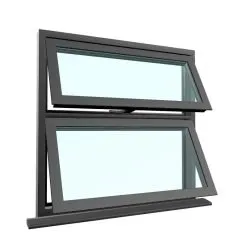
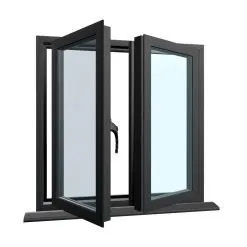
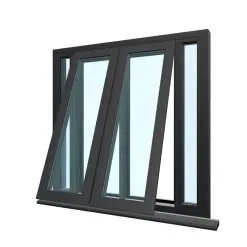
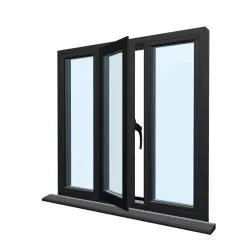
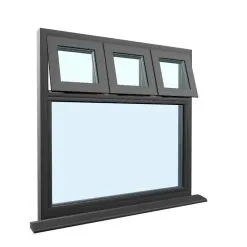
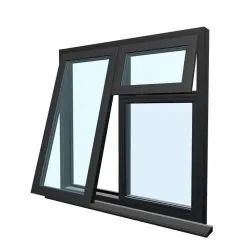
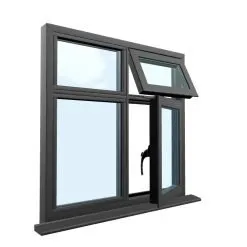
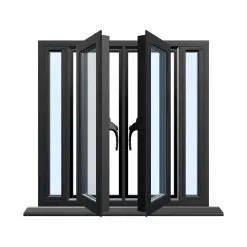
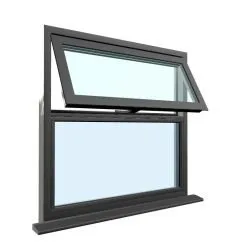
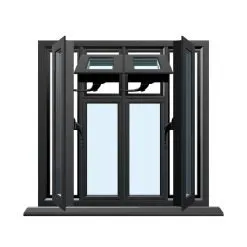
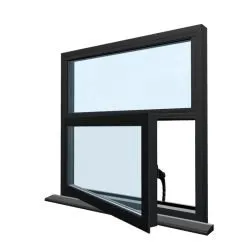
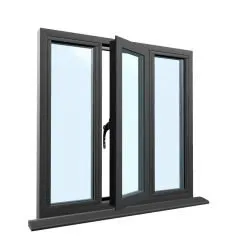
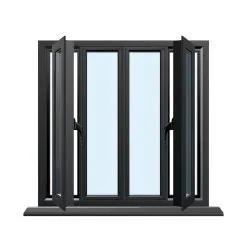
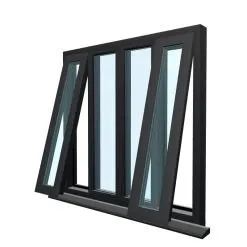
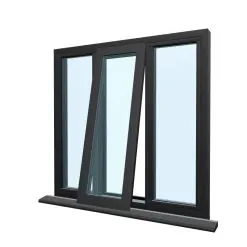
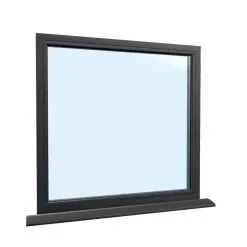
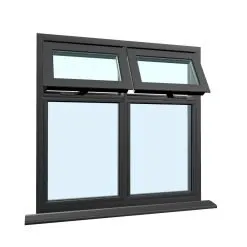
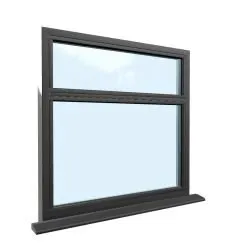
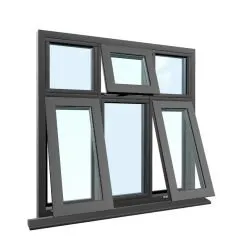
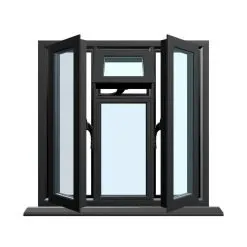
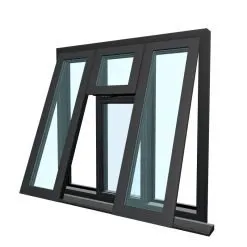
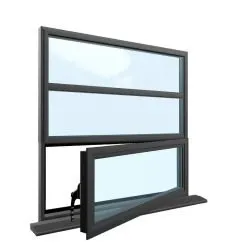
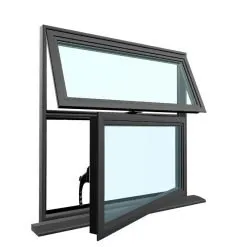
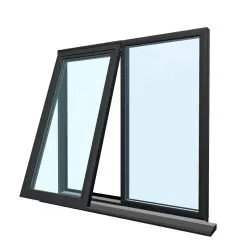
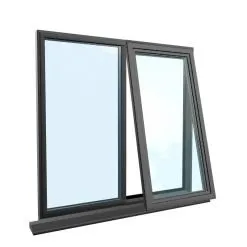
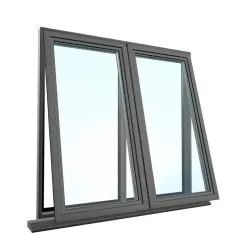
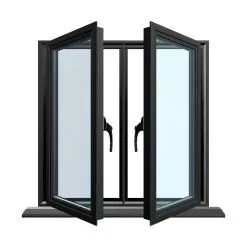
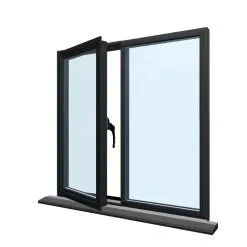
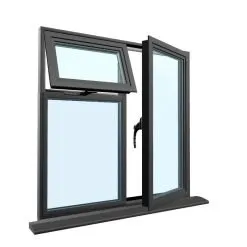
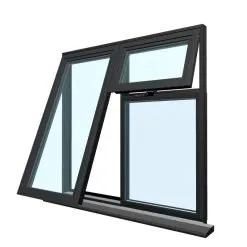
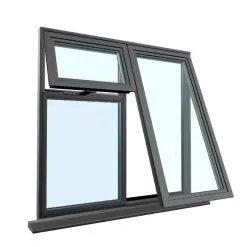
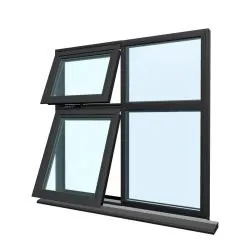
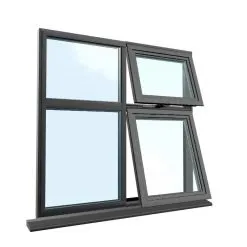
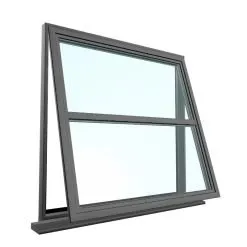
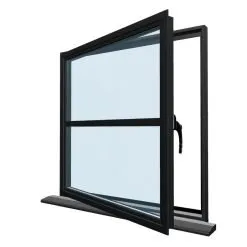
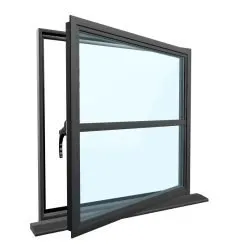
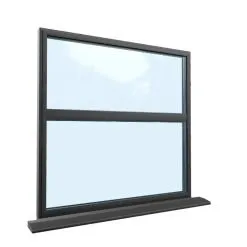
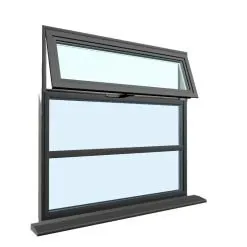
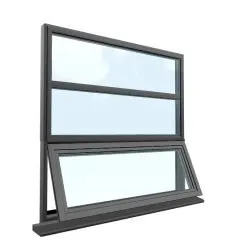
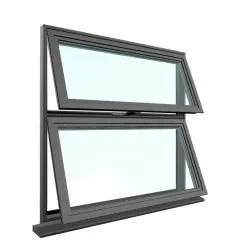
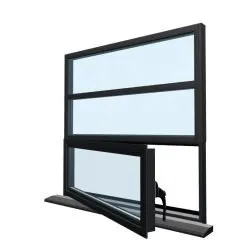
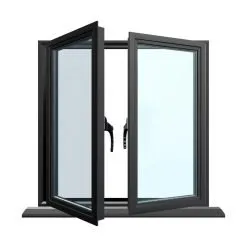
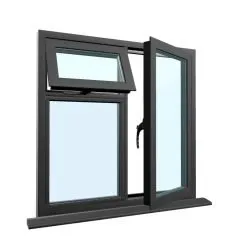
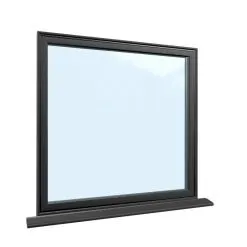
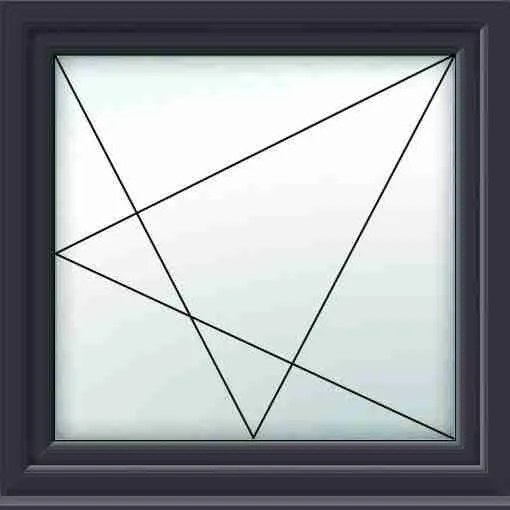
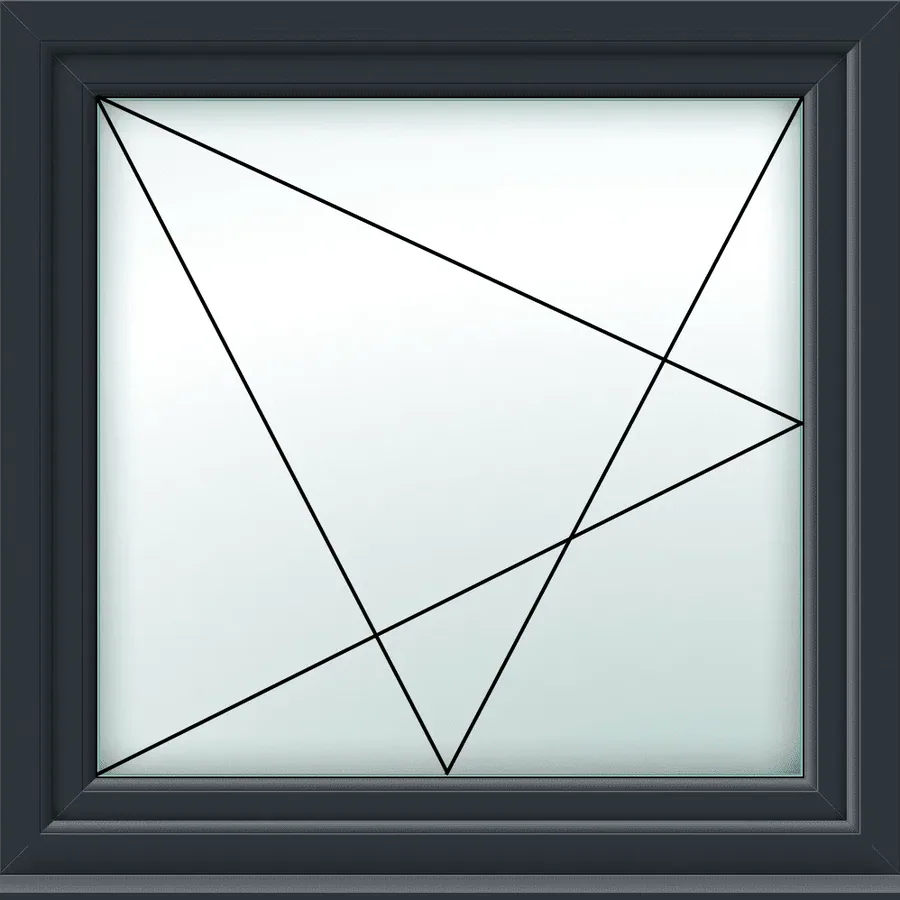
Casement is the standard hinged window and the cheapest route into an aluminium frame. Flush casement sits the sash level with the outer frame rather than proud of it, which reads as more traditional. Crittall-style adds fine glazing bars. Tilt and turn does two things — tilts in at the top for secure ventilation, and swings fully in so you can clean the outside face from inside, which is why it is standard above ground floor on flats.
Every design we hold
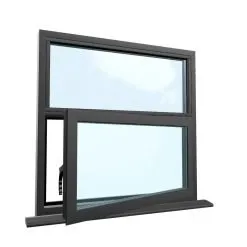
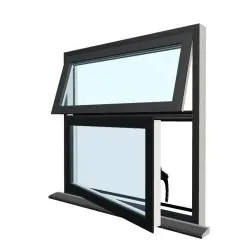
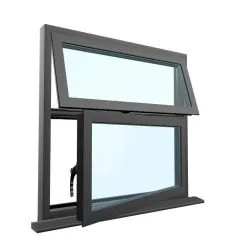
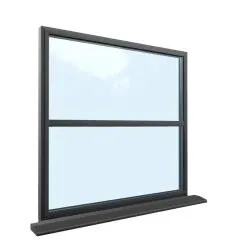
91 designs. Quote the code when you enquire — it saves a conversation.
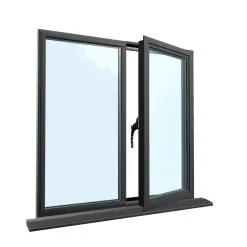
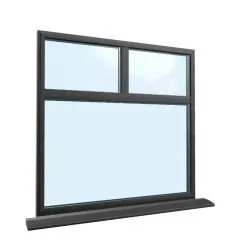
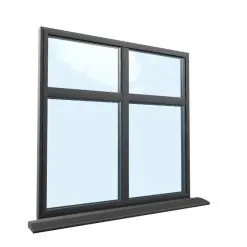
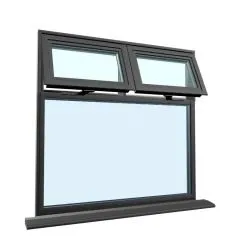
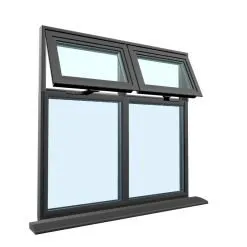
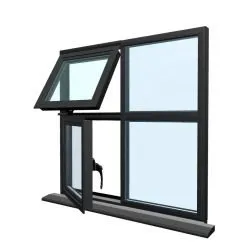
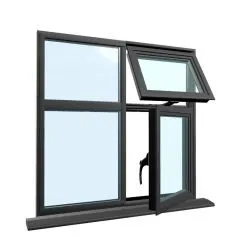
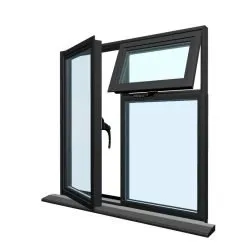
Specification
| Material | Thermally broken aluminium |
|---|---|
| Frame depth | Approx. 55mm |
| Styles | Casement, flush casement, Crittall-style, tilt and turn |
| U-value | Approx. 1.2–1.4 W/m²K whole window |
| Part L | Meets the 1.4 W/m²K replacement standard for England |
| Finish | Any RAL, matt or satin, dual colour |
| Trickle vents | Available — required on most replacements under Part F |
| Lifespan | 30–50 years; finish guaranteed 25 |
What supply only includes
You get
- The complete unit, made to your opening sizes
- Frame, hardware, locking and glazing already fitted
- Delivered to your address, or collect from Birmingham
- A written specification with the order
You arrange
- Measuring the opening — here is how
- Fitting, unless you take our installation option
- Building control notification — what that means
- Removing and disposing of the old unit
Want us to do all of it instead? Installation is available on any order and priced separately, so you can see the difference.
How buying supply only works
- 1
Send your sizes
Structural opening width and height, and a photo if you have one. No survey, no appointment, no salesperson at your kitchen table.
- 2
We price it and confirm
A written price with the specification on it, and a real delivery date. If something in your measurements does not add up, we query it before anything is cut.
- 3
We build it
Made to your sizes in our standard range. Standard colours are what hold the one-week turnaround.
- 4
Delivered — or fitted
Delivered to your address or collected from Birmingham. If you want it fitted, that is booked separately and priced on the same quote.
Aluminium windows — questions we get asked
What U-value do replacement windows need?
In England, a replacement window in an existing dwelling must achieve 1.4 W/m²K or better for the whole window, or a Window Energy Rating of band B. Modern thermally broken aluminium comes in around 1.2–1.4, so it meets it.
Do I need trickle vents?
Under Part F, if the window you are replacing had them, the new one must have them, and in most replacement situations they are now required regardless. It is easier to specify them at order than to retrofit.
Why is tilt and turn standard on flats?
Because you can clean the outside face from inside, which matters above the first floor, and the tilt position gives ventilation that a child cannot climb through and an intruder cannot reach through.
What is a flush casement?
The opening sash sits flush with the outer frame instead of standing proud of it, so the window reads as a flat plane. It suits period and rural properties where a stepped modern casement looks wrong.
Do I need building regulations to replace windows?
Yes — replacement windows are notifiable. Either the installer self-certifies under FENSA or CERTASS, or you notify building control yourself. On a supply-only order you are responsible for that notification, so factor it in.